Breather Breaks: Mastering Short-Term Time-Outs in Online Gaming Sessions
Cameron Krüger · Apr 11, 2026
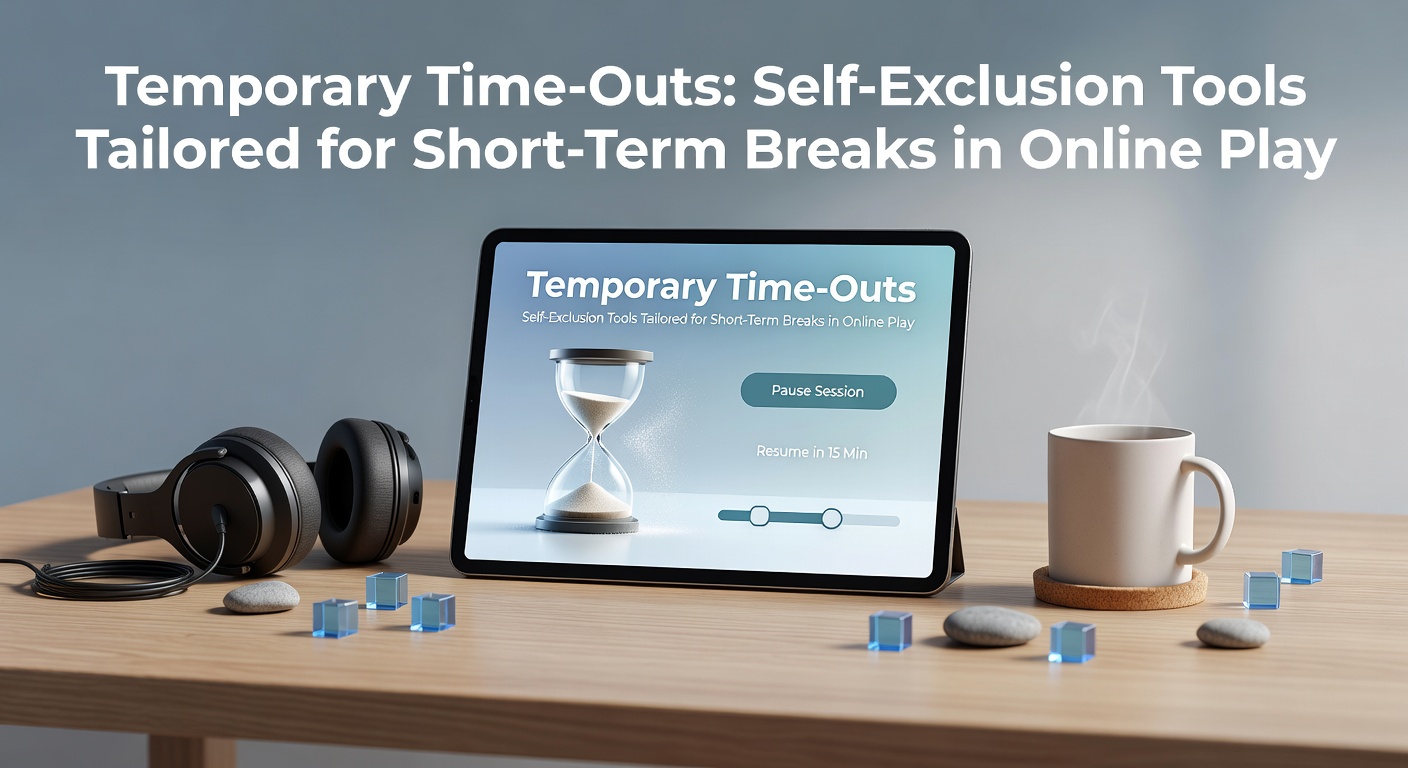
Breather Breaks: Mastering Short-Term Time-Outs in Online Gaming Sessions
What Temporary Time-Outs Bring to the Table
Players navigating online gaming platforms often encounter tools designed for quick pauses, and temporary time-outs stand out as flexible self-exclusion options tailored precisely for those moments when a short break resets focus; these features allow users to halt access for hours, days, or weeks without committing to long-term bans, making them a go-to for maintaining control during active sessions. Data from industry reports reveals that such tools see heavy use, with millions opting in annually across global platforms because they bridge the gap between casual play and deeper interventions.
Turns out, these breather breaks emerged from player feedback loops in the early 2010s, evolving alongside mobile apps where session management became crucial; operators integrated them into account settings, letting users select durations like 24 hours or seven days with just a few clicks, and once activated, the block enforces automatically across devices linked to the same profile. What's interesting here is how they complement cooling-off periods mandated in various jurisdictions, providing that personal layer of immediacy when emotions run high after a string of losses.
How These Tools Operate Behind the Scenes
At their core, temporary time-outs trigger a software lockout that denies login attempts until the chosen period expires, yet they differ sharply from session timers by empowering the player to initiate and customize the duration themselves; platforms log the request timestamp, send confirmation emails, and sometimes offer extension options mid-countdown, ensuring the break sticks even if temptation arises later. Researchers who've dissected platform APIs note that geolocation checks and IP blocking reinforce these measures, preventing workarounds via VPNs in regulated environments.
But here's the thing: not all implementations match perfectly, since some sites cap maximum durations at 72 hours while others stretch to 30 days, and extensions require manual reactivation post-expiry to avoid accidental permanence. One study from the Responsible Gambling Council in Canada highlights how seamless interfaces boost uptake, with users 40% more likely to engage when prompts appear after prolonged play or deposit spikes.
And while basic versions simply bar access, advanced ones layer in reality checks—pop-up reminders tallying time spent or funds wagered—nudging players toward voluntary pauses before issues escalate.
Key Differences from Full Self-Exclusion Programs
Permanent self-exclusion locks accounts for months or years, often requiring third-party verification to lift, whereas temporary time-outs offer reversibility without red tape, expiring on schedule and restoring full access instantly; this distinction matters hugely for casual players who want boundaries without derailing habits entirely. Observers point out that full programs tie into national registries like those in parts of Europe, sharing data across operators to enforce bans broadly, but short-term tools stay account-specific, giving users privacy and control over fleeting urges.
Figures reveal the split in usage: permanent exclusions account for under 2% of active players per year, while time-outs claim 15-20% engagement rates monthly on major sites, according to aggregated data from multi-jurisdictional audits. That said, combining both creates a toolkit; someone hits a rough patch, grabs a 48-hour breather, then assesses if longer measures fit.
Real-World Impact: Data and Player Stories
Take the case of platforms in Australia, where the Gambling Help Online initiative tracks tool efficacy; reports show temporary time-outs correlate with 25% drops in average session lengths for frequent users, and those who cycle through multiple short breaks report higher satisfaction with their play habits over time. Experts analyzing anonymized logs from U.S. operators under the American Gaming Association guidelines find similar patterns, with break-takers showing reduced chase behavior—reloading losses immediately after downturns—by up to 35%.
One anonymized example surfaces from operator disclosures: a player in their thirties activated daily one-hour time-outs during workweeks, crediting the routine with stabilizing finances amid volatile slot sessions; such stories, while individual, echo in broader surveys where 68% of respondents called short-term tools their first line of defense. It's noteworthy that these features shine in live dealer games too, where real-time pacing tempts extended sits, yet a quick pause lets adrenaline fade before resuming.
Now, challenges persist; some users overlook extensions, turning brief halts into unintended long hauls, although platforms mitigate this via pre-expiry notifications and counseling links.
Step-by-Step: Activating Time-Outs on Popular Platforms
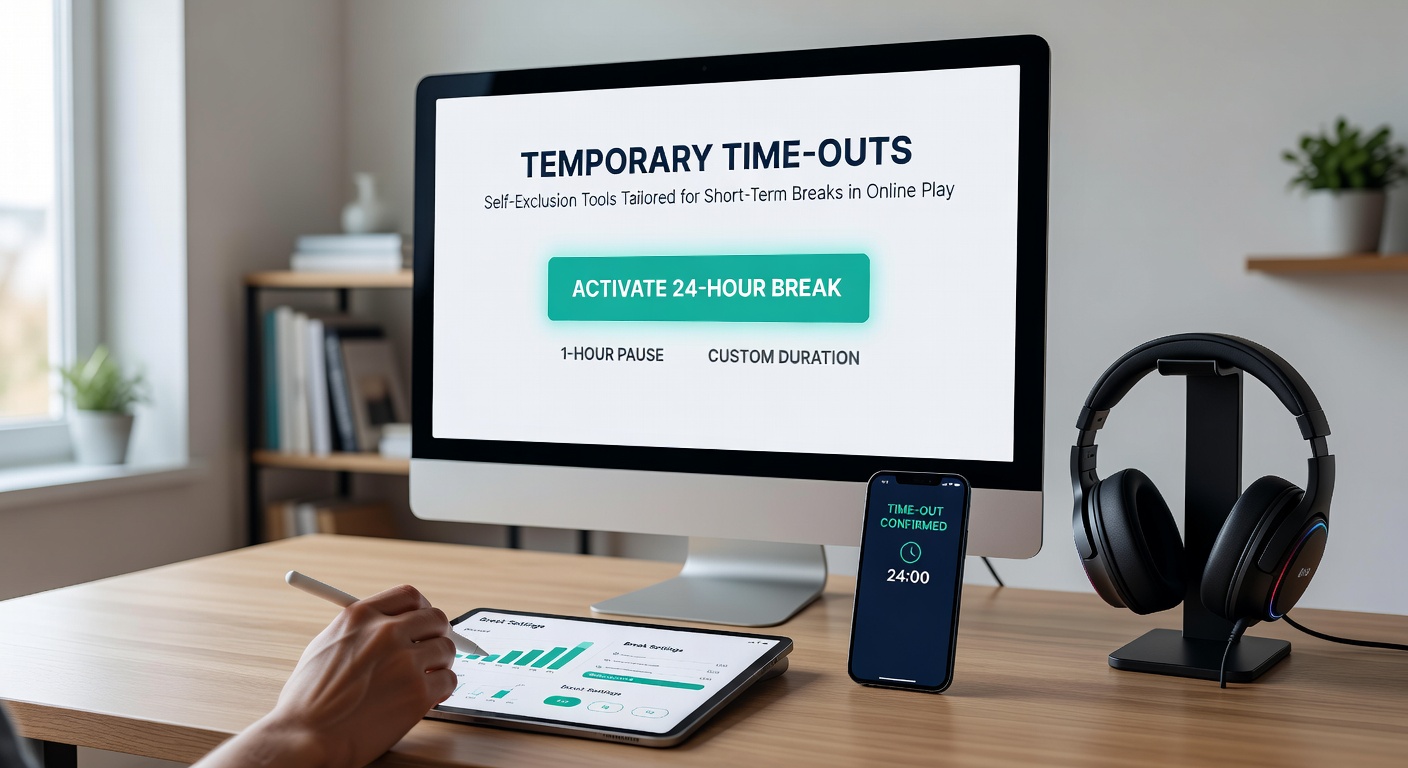
Access typically starts in the responsible gaming or account management tab—log in, navigate to self-exclusion options, and slide to select from preset durations like six hours, one day, three days, or a week; confirm via email or two-factor auth, and the clock starts ticking immediately, blocking deposits, bets, and even promotional opt-ins during the hold. Variations exist, such as BetMGM's "Take a Break" slider in the U.S., allowing custom hours up to 72, while DraftKings offers weekly caps with chat support for guidance.
Post-activation, dashboards often display countdowns prominently on login screens, and savvy players pair these with app notifications to enforce offline habits like walks or hobbies. Those who've mastered the process report it takes under two minutes initially, becoming muscle memory for proactive control.
Yet, for multi-site players, the rub lies in fragmented systems; a time-out on one platform doesn't sync elsewhere unless tied to shared registries, prompting calls for unified apps across borders.
Broader Benefits in Responsible Gaming Ecosystems
Studies indicate temporary time-outs foster self-awareness, with longitudinal data from European research institutions showing participants in break programs exhibit 18% lower problem gambling indicators after six months compared to non-users; this stems from interrupting loss-chasing cycles, where short separations let rational reassessment prevail over impulse. Platforms amplify effects by pairing tools with spend limits and loss caps, creating layered defenses that data confirms slash excessive play by double digits.
What's significant is their role in regulatory compliance too; jurisdictions from Ontario to New Jersey mandate these features, with audits verifying uptime and usability, and upcoming tweaks eyed for April 2026 under expanded North American standards promise AI-driven prompts suggesting time-outs based on play patterns—alerts firing after anomaly detection like rapid deposits. That evolution, observers note, positions short-term tools as frontline warriors in the fight for sustainable gaming.
And for operators, uptake signals positive engagement; sites boasting intuitive time-outs see retention rates climb 12%, per industry benchmarks, since players trust environments prioritizing well-being over endless spins.
Looking Ahead: Innovations on the Horizon
Developers push boundaries with gamified breaks—rewards like bonus credits post-pause for completing wellness challenges—and biometric integrations scanning stress via wearables to auto-suggest halts; trials in select markets already yield promising stats, with 22% voluntary engagement spikes. By April 2026, enhanced interoperability looms large, especially as Canadian provinces harmonize tools province-wide, letting a single time-out ripple across partnered sites seamlessly.
Challenges remain, like ensuring accessibility for non-tech-savvy users through voice commands or simplified menus, but momentum builds steadily.
Wrapping Up the Breaks
Temporary time-outs equip online gamers with precise, player-driven pauses that data proves effective for curbing overplay without drastic measures; from quick 24-hour resets to week-long respites, these tools weave into daily routines, backed by stats showing marked improvements in session control and long-term habits. As platforms refine them amid regulatory shifts into 2026, their availability underscores a maturing industry where flexibility meets responsibility head-on, empowering users to play smarter across the digital landscape.