Game Cycle Length Analysis: Key to Optimizing Digital Casino Session Durations
Anna Keller · Jun 29, 2026
Game Cycle Length Analysis: Key to Optimizing Digital Casino Session Durations
Digital casinos track game cycle lengths as the core metric behind session planning, where each cycle represents the time from bet placement through outcome resolution and payout in slots, table games, and live dealer formats. Operators compile these durations across thousands of rounds to identify patterns that align with player retention goals and revenue targets, while researchers examine how cycle variations influence average session times reported in industry datasets.
Defining Game Cycles in Digital Environments
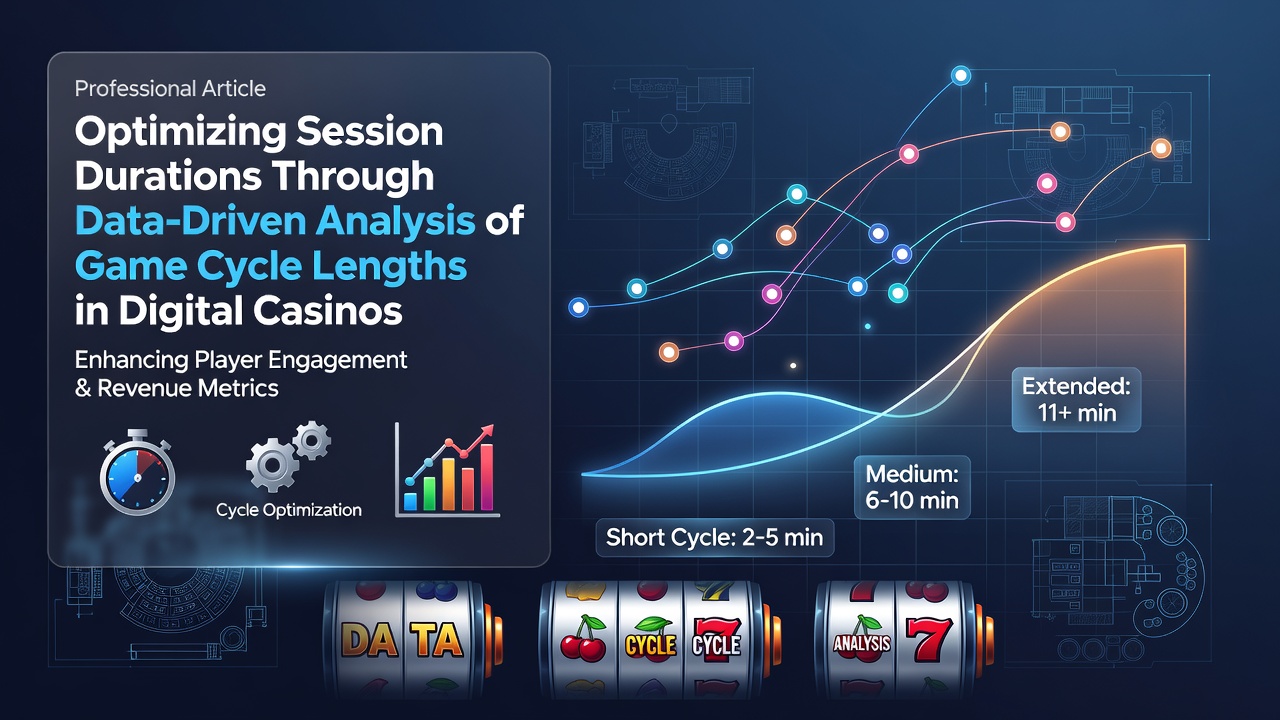
Game cycles differ by title type, with video slots completing a spin in 2 to 4 seconds on average, whereas roulette rounds extend to 25 to 40 seconds when including betting windows and wheel spins. Blackjack hands finish in roughly 20 to 35 seconds depending on table rules and decision speed, creating distinct datasets that analysts process separately to avoid skewed averages. These measurements come from server logs that record start and end timestamps for every round, allowing precise calculations of mean cycle times and standard deviations across player cohorts segmented by stake level and game preference.
Data platforms aggregate cycle information from multiple operators, revealing that shorter cycles correlate with higher round volumes per hour yet produce more variable session outcomes due to increased exposure to house edge mechanics. Longer cycles, by contrast, slow the pace and often extend total playtime before players reach predetermined loss or win thresholds, a relationship confirmed through regression models applied to transaction records from regulated markets.
Data Collection and Segmentation Practices
Collection systems pull timestamps, bet amounts, and outcome results directly from game servers while maintaining compliance with privacy standards set by regional authorities. Analysts segment the resulting datasets by factors including time of day, device type, and player loyalty tier, which isolates variables that affect cycle perception and session endurance. For instance, mobile sessions frequently show compressed cycle times because interface optimizations reduce animation delays, whereas desktop play maintains steadier pacing across extended periods.
In June 2026, aggregated reports from North American and European platforms indicated that sessions averaging 18 to 22 minutes aligned with peak engagement metrics when cycles fell between 3 and 8 seconds. These figures emerged after cross-referencing server data with voluntary player surveys that captured self-reported satisfaction levels at session end.
Analytical Methods Applied to Cycle Data
Statistical teams apply time-series analysis and clustering algorithms to group similar cycle profiles, then overlay session duration outcomes to detect optimal ranges. Machine learning models trained on historical play records predict how adjustments to game speed settings influence expected session length, allowing operators to calibrate auto-spin intervals or betting timers without manual intervention. One study conducted by researchers at the University of Nevada, Las Vegas examined over 2 million rounds across 15 titles and found that reducing average cycle length by 15 percent increased session volume by 11 percent while holding total wagered amounts steady.
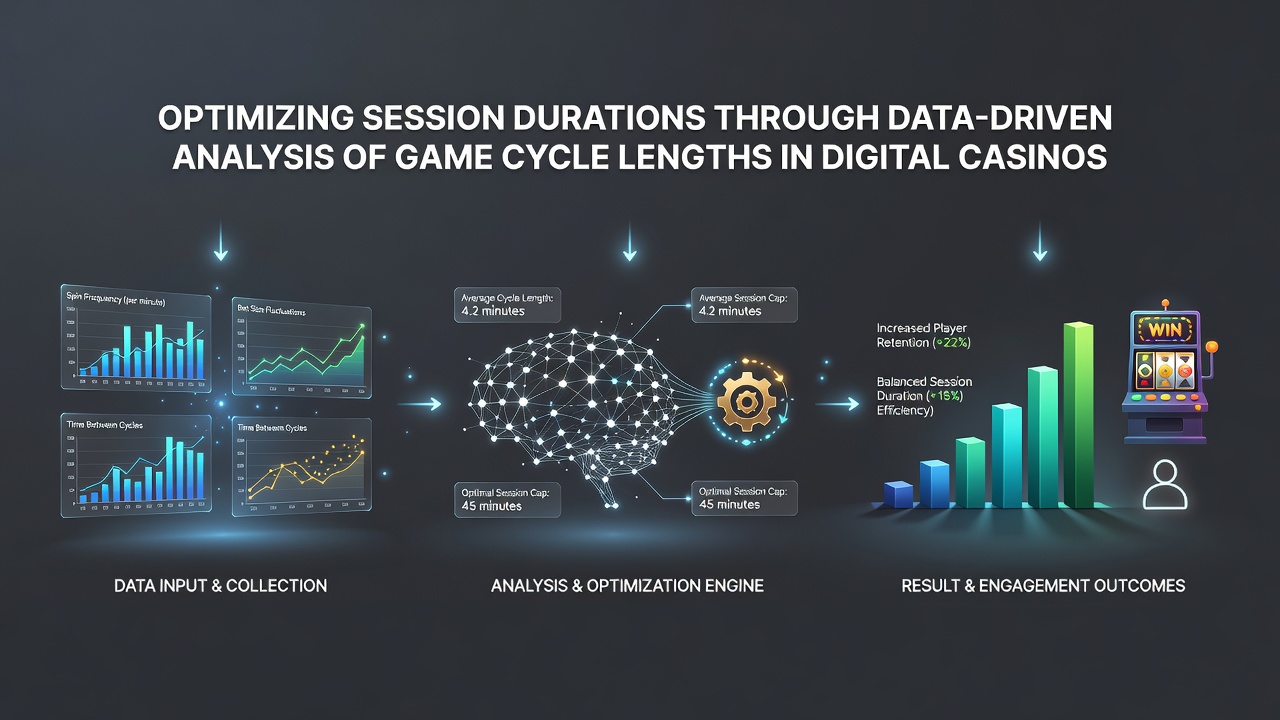
Cluster analysis further separates high-volatility titles, where extended dry spells stretch perceived session time, from low-volatility options that deliver frequent small returns and sustain shorter, repeated sessions. These distinctions guide content recommendations that match cycle characteristics to individual player histories stored in customer relationship management systems.
Practical Applications Across Markets
Canadian provincial regulators have referenced cycle-based session modeling in licensing reviews, noting that platforms using such analytics report lower rates of rapid, high-volume play among new accounts. Australian state gaming authorities similarly examined cycle length distributions when evaluating responsible gambling tool effectiveness, confirming that players receive more accurate session time estimates when operators publish average cycle durations alongside game rules.
European operators outside the United Kingdom have integrated cycle analytics into bonus structures, offering time-limited promotions calibrated to typical session windows derived from cycle data rather than arbitrary cutoffs. This approach ties promotional value directly to measured play patterns, producing participation rates that reflect actual user behavior instead of assumed preferences.
Conclusion
Game cycle length analysis supplies the measurable foundation for session duration optimization across digital casino platforms, connecting raw server timestamps to strategic decisions that affect both player experience and operational outcomes. Continued refinement of these methods depends on consistent data standards and cross-jurisdictional collaboration among research institutions and gaming associations.