Player Customization Features Drive Safer Play in Digital Gaming Environments
Cameron Krüger · Aug 15, 2026

Player Customization Features Drive Safer Play in Digital Gaming Environments
Digital platforms have expanded options that let users adjust core game elements such as bet ranges, session durations, and volatility levels, and these tools connect directly to both entertainment value and risk management across multiple regions. Observers note that customization emerged as developers responded to data showing varied player preferences, while regulatory frameworks in places like the United States and Australia encouraged features that support responsible engagement. Research from the University of Nevada, Reno indicates that players who set personal limits experience longer average session times without corresponding spikes in loss rates, and similar patterns appear in European markets where platforms introduced adjustable reel speeds and stake caps by mid-2025.
Core Mechanics of Player-Driven Adjustments
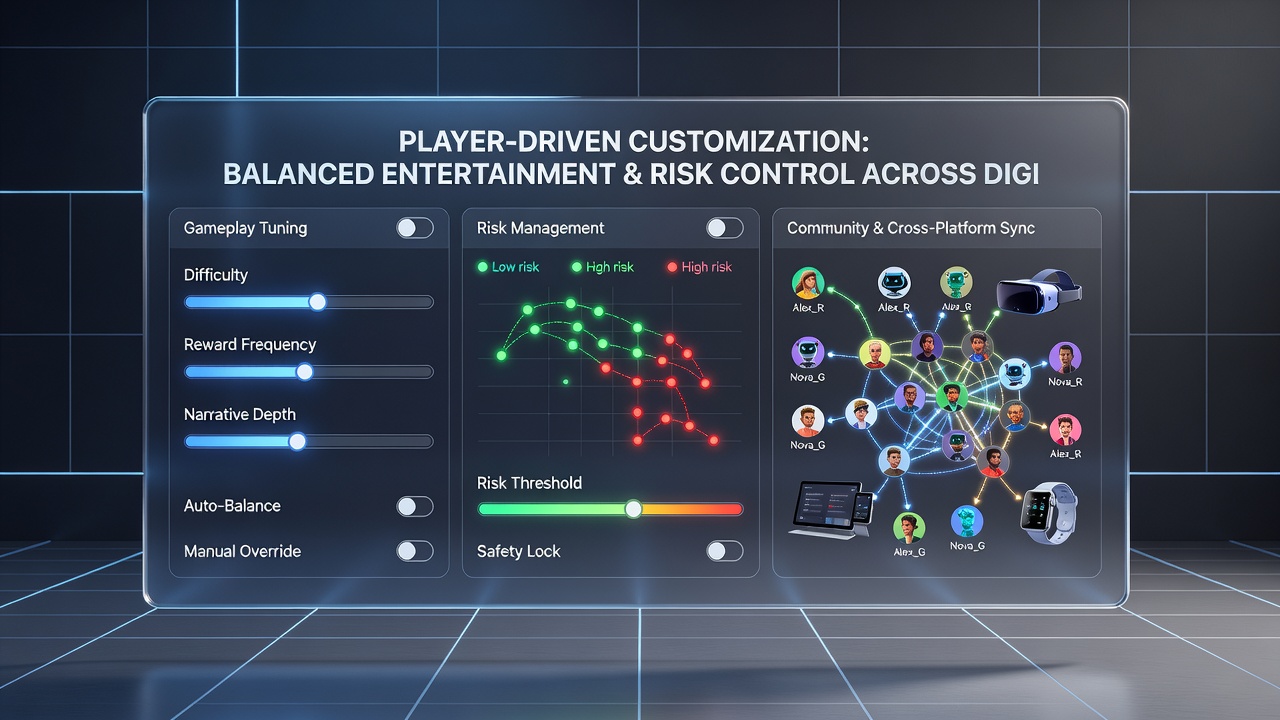
Systems now allow individuals to modify payout structures in real time, for instance by selecting lower-volatility modes that reduce large-swing outcomes in exchange for steadier returns, and these choices integrate with built-in timers that pause play after preset intervals. Data from industry reports reveal that adoption rates climbed steadily through 2025, with platforms recording a 28 percent increase in users activating voluntary limit tools compared to the prior year. Those who've studied usage patterns find that customization options appear most effective when presented alongside clear visual feedback, such as progress bars showing remaining session time or projected spend based on current settings.
Platforms across North America and the Asia-Pacific region have rolled out interfaces that combine aesthetic changes with risk parameters, letting players swap soundtracks or color schemes while simultaneously locking maximum bets at chosen thresholds. The approach avoids one-size-fits-all restrictions and instead places control in user hands, which aligns with findings from the Australian Gambling Research Centre that self-selected boundaries correlate with lower rates of unplanned extended play. Developers achieved this by embedding algorithms that remember prior preferences across devices, so returning users encounter the same configured environment without repeated setup steps.
Implementation Across Different Platform Types
Live dealer environments adopted hybrid controls in 2026 that permit spectators to adjust camera angles and betting increments independently of the shared table, and these modifications occur without disrupting other participants. Mobile applications followed suit by adding gesture-based toggles for quick limit activation during travel, while desktop versions emphasize detailed dashboards that display historical spend alongside proposed custom profiles. August 2026 saw several operators launch unified accounts that sync settings between casino-style games and competitive multiplayer titles, creating consistent risk parameters regardless of genre.
Integration with third-party verification services allows users to import verified age and financial data directly into customization menus, reducing friction during initial setup. Figures from the Canadian Gaming Association show that platforms offering such seamless connections recorded higher activation of responsible-play modules, particularly among users aged 25 to 40. The technical backbone relies on secure APIs that prevent tampering with locked limits once a session begins, and encryption standards match those used in financial transactions to maintain integrity.
Evidence from Deployment Data
Studies tracking user behavior after feature rollouts demonstrate measurable shifts, such as a 15 percent reduction in average bet size among players who activated volatility sliders within the first month of availability. European operators reported parallel outcomes following the introduction of region-specific templates that default to moderate risk settings while still permitting full customization. What's interesting is how these patterns hold across different regulatory climates, from Nevada's licensed markets to Singapore's controlled digital offerings, suggesting the tools travel well when adapted to local compliance requirements.
One case involved a North American platform that introduced preset profiles labeled by entertainment goal, ranging from short recreational bursts to extended strategic sessions, and analytics indicated that users selecting the latter profile maintained steadier bankroll trajectories over six-month periods. Such outcomes appear in peer-reviewed summaries published by academic gaming centers, which emphasize that success depends on clear labeling and immediate visual confirmation rather than hidden menus.
Future Directions in Cross-Platform Standards
Industry groups have begun discussing unified protocols that would let players export custom profiles between unrelated services, and early pilots launched in late 2025 showed reduced setup time when switching devices or operators. August 2026 brought announcements of collaborative testing between American and Australian developers aimed at creating interoperable risk-control modules that respect each jurisdiction's data-protection rules. These efforts focus on maintaining entertainment variety while embedding safeguards that scale automatically with user-selected parameters.
Conclusion
Player-driven customization continues to evolve as a practical bridge between enjoyment and controlled exposure on digital platforms, supported by concrete usage statistics and technical implementations that adapt across regions. Evidence gathered through 2026 demonstrates consistent benefits when features remain transparent and user-initiated, and ongoing standardization work points toward broader accessibility in coming years.