Roulette's Hidden Halvers: Mastering En Prison and La Partage for Smarter Even-Money Bets
Cameron Krüger · Mar 19, 2026
Roulette's Hidden Halvers: Mastering En Prison and La Partage for Smarter Even-Money Bets
Unveiling the Rules That Slice the House Edge
Roulette players chasing even-money bets like red or black, odd or even, high or low often overlook two French-origin rules—En Prison and La Partage—that effectively halve the house edge from the standard 2.7 percent in European roulette to a more player-friendly 1.35 percent, and experts have long noted how these mechanics transform straightforward wagers into strategically sharper plays since their documented use dates back to 18th-century Parisian casinos.
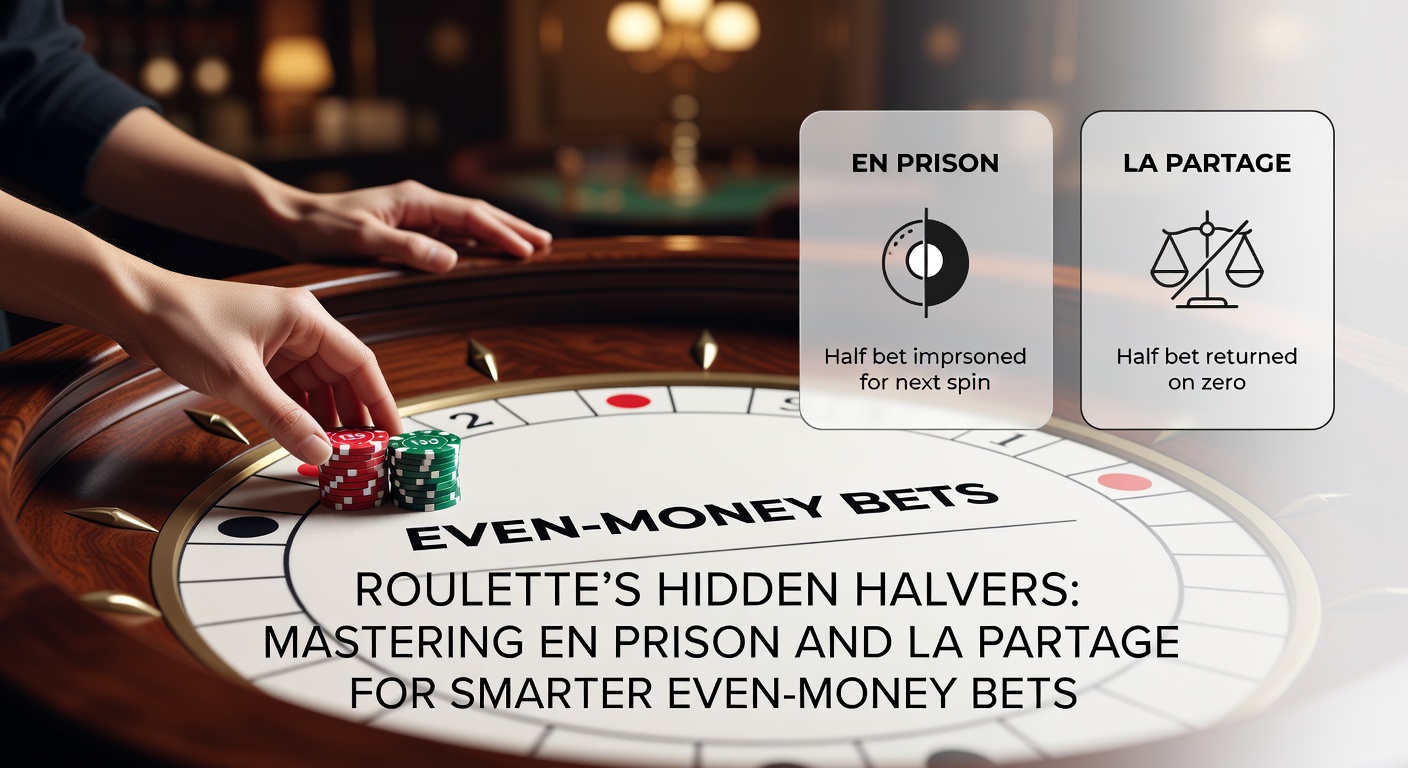
Take La Partage first; when the ball lands on zero during an even-money bet, the rule kicks in immediately, allowing players to surrender half their stake while the casino keeps the other half, so instead of losing the full amount on that dreaded green pocket, bettors recover something right away, and data from Nevada Gaming Control Board analyses of roulette variants confirms this cuts the expected loss precisely in half over thousands of spins.
En Prison operates differently yet achieves the same edge reduction; here, the zero imprisons the entire even-money bet until the next spin, freeing it with full winnings if the original bet wins next time, but forfeiting it entirely should the bet lose or zero hit again, and observers point out how this suspenseful hold creates a second-chance dynamic absent in standard play.
What's interesting is that both rules apply only to even-money exterior bets, leaving inside bets like straights or splits untouched by their mercy, while casinos enforce them selectively—French roulette tables universally feature one or both, whereas American double-zero wheels rarely do, sticking players with a steeper 5.26 percent edge across the board.
How La Partage Delivers Instant Relief
Picture a £10 bet on red that meets the zero; under La Partage, the player hands over £5 and walks away even on the rest, turning a total wipeout into a manageable half-loss, and studies from the Illinois Gaming Board on table game math reveal how this simple split averages out to that pivotal 1.35 percent house advantage over extended sessions.
Players who've mastered this often stack it with disciplined bankroll management, betting fixed units rather than chasing losses, since the rule shines brightest during streaks of zeros—rare, but devastating without it—and casino floor data indicates tables offering La Partage see steadier action on even-money layouts as a result.
But here's the thing: not every zero triggers it automatically; some venues require players to opt in verbally before the spin, a detail that trips up newcomers, whereas veterans confirm the announcement alongside table limits clarifies availability every round.
En Prison's High-Stakes Sequel Spin
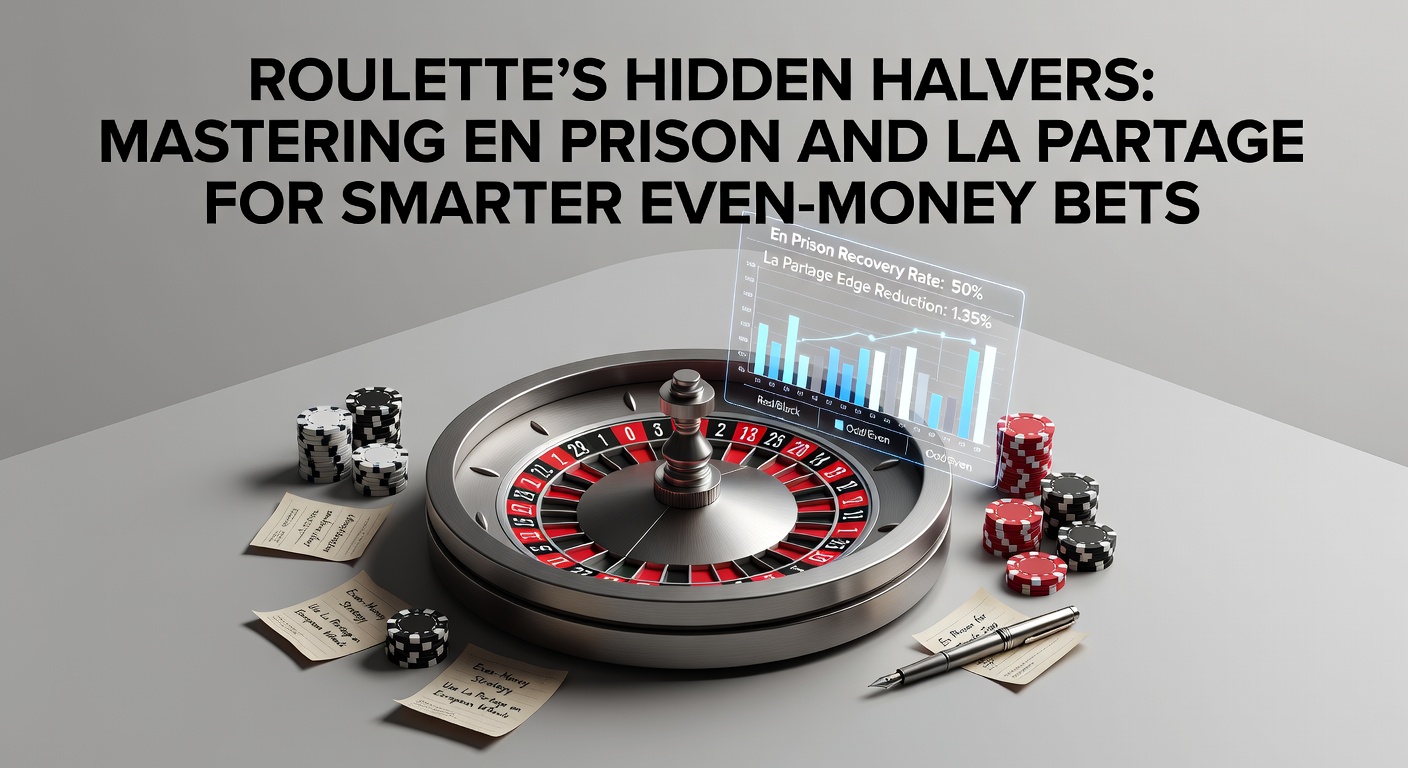
En Prison ramps up the drama by locking the bet in place—literally marked with a special disc or token—until resolution on the subsequent spin, so if red follows a zero on a red bet, the original stake doubles as usual, but a black or another zero sends it to the house, and mathematical breakdowns show this probabilistic retry mirrors La Partage's edge exactly, with the imprisoned bet's fate boiling down to a 48.65 percent win chance next time around.
Turns out, this rule pairs especially well with slower-paced games where players savor the tension, and those who've tracked live dealer streams note how online platforms mimic it flawlessly using virtual markers that light up the layout.
One case from Monte Carlo's historic Casino de Monte-Carlo archives highlights a session where repeated En Prison activations let a single even-money progression survive three zeros in a row, eventually cashing out triple the initial stake—a rarity, but proof of its lifeline potential when variance swings wild.
Key Differences and When to Choose Each
La Partage suits those preferring immediate closure, handing back half without waiting, whereas En Prison appeals to risk-takers willing to gamble the full stake for a shot at no loss at all; experts observe how the former feels safer psychologically during hot streaks, but the latter's upside draws in progression system users like Martingale players who reset easier after survivals.
Notably, some French tables offer both rules interchangeably—called "En Prison et La Partage"—where a zero first proposes the half-loss option, declining it then imprisons the rest, and this hybrid maximizes flexibility since players gauge the table's vibe mid-session.
Data from European casino audits underscores availability: about 70 percent of physical French roulette wheels feature at least La Partage, dropping to 40 percent for En Prison alone, while online aggregators report over 80 percent of RNG French roulette games include them as standard.
Where These Rules Thrive Today
Brick-and-mortar spots like Paris' Aviation Club or Lisbon's Casino Estoril keep French roulette alive with these halvers mandatory, but online realms explode their reach—platforms licensed by the Malta Gaming Authority integrate them into live dealer feeds from Latvia and Malta studios, streaming real wheels to global players.
And in March 2026, as New Jersey's Division of Gaming Enforcement rolls out updated table game approvals, more U.S.-facing apps plan to debut certified French variants, bridging the Atlantic gap where double-zero dominance once ruled, so bettors stateside might soon access these edges without hopping continents.
Observers note a surge in mobile-optimized French roulette lobbies too, where quick-tap interfaces highlight rule activations via pop-ups, making mastery accessible even on commutes.
Strategies That Leverage the Edge Halving
Smart play starts with table selection—scout for green-felt French wheels over red American ones—then layer in flat betting to grind the lowered 1.35 percent patiently, since variance still bites but expected hourly loss drops from £2.70 to £1.35 per £100 wagered, per unit calculations.
Those employing mild progressions, like doubling after losses but halving the hit on zeros, extend sessions dramatically; one study from the University of Nevada's gaming research lab found En Prison tables yielding 15 percent longer playtimes before bankroll depletion compared to standard European setups.
Yet discipline reigns supreme—set loss limits at 20 units, walk from cold wheels, and track zeros per hour (aim under 1/37 ideally, though randomness rules)—and seasoned players swear by journaling spins to spot rule efficacy firsthand.
It's noteworthy that combining these with neighbor bets or announced calls on the same layout amplifies fun without spiking risk, keeping action varied while the halvers quietly work their math magic.
A Glimpse into Their Storied Past
Originating in the 1700s at French spas like Spa and Wiesbaden, these rules emerged as casino countermeasures to player complaints over the zero's bite, evolving through François Blanc's 1843 Homburg tweaks that popularized single-zero roulette across Europe, and by the 1900s, La Partage became a Monte Carlo staple, drawing high rollers who valued the fairness.
Fast-forward, and digital recreations preserve them intact, with RNG certifications from labs like eCOGRA verifying true 1.35 percent edges since the early 2000s.
Wrapping Up the Wheel's Best-Kept Secrets
En Prison and La Partage stand as roulette's understated power moves for even-money enthusiasts, slashing the house edge cleanly while adding layers of tactical intrigue, and as platforms innovate—especially with 2026's regulatory nods in places like New Jersey—more players stand to benefit from their proven math without altering core strategies.
Those who seek them out on French tables, whether live or virtual, position themselves for longer, less punishing rides around the wheel, turning zeros from villains into halved hurdles, and casino data consistently shows savvy bettors flocking to these variants for that reason alone.
So next spin, check the layout rules; the edge halvers wait for those in the know.