Sounds and Lights: How Sensory Cues Direct Decisions in Electronic Gaming Machines
Cameron Krüger · Jun 6, 2026
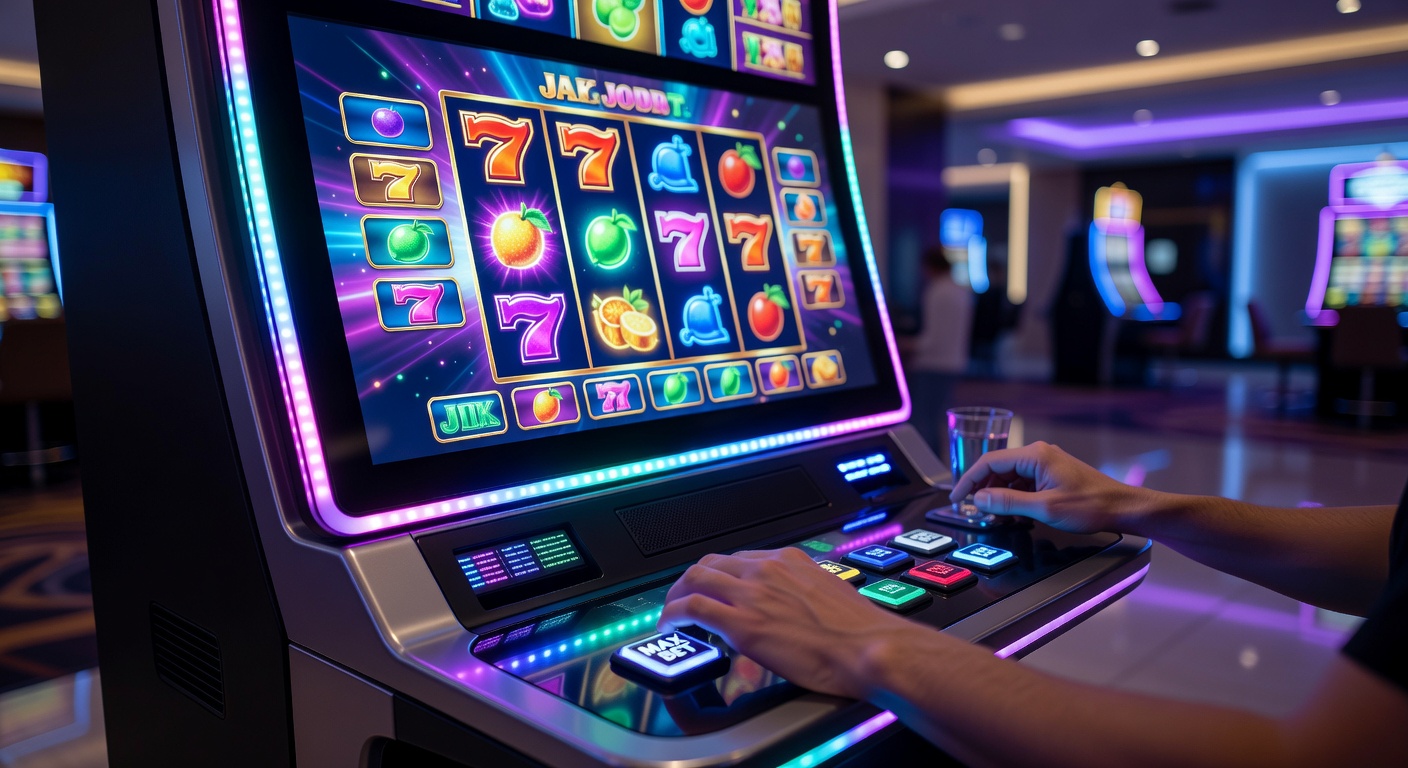
Sounds and Lights: How Sensory Cues Direct Decisions in Electronic Gaming Machines
Electronic gaming machines rely on layered audio tracks and synchronized light patterns to shape how players evaluate outcomes and adjust their next moves, and researchers have tracked these interactions through controlled laboratory sessions along with field observations at casino floors. Data from multiple studies indicate that specific sound frequencies paired with rapid light sequences increase the likelihood of continued play after a near-miss event, while softer tones paired with slower pulses tend to coincide with longer pauses between spins.
Audio Elements That Influence Timing and Bet Size
Sound designers program distinct chimes for different reel stops, and those auditory markers help players form expectations about upcoming results even before the reels settle into place. Studies conducted at the University of Nevada, Las Vegas demonstrate that celebratory jingles following small wins prompt faster re-bets compared with silent intervals, because the positive audio feedback reinforces the decision pathway within seconds. Observers note that background music tempo also correlates with wager adjustments, as higher beats per minute align with increased credit selection on machines equipped with variable bet interfaces.
Yet the same research reveals that prolonged exposure to high-volume celebratory sounds can lead some participants to reduce bet sizes temporarily, suggesting an adaptive response rather than simple escalation. Engineers adjust these audio layers during machine certification, and regulatory bodies in several jurisdictions require documentation of sound profiles to ensure they fall within established amplitude limits.
Visual Patterns and Their Role in Outcome Assessment
Flashing border lights and animated win sequences draw attention to specific screen zones, and eye-tracking experiments show that players fixate longer on highlighted symbols when those symbols appear during bonus rounds. Research published through the Australian Gambling Research Centre found that color temperature shifts from cool blue to warm amber during near-miss animations extend the time players spend reviewing the result screen before pressing the spin button again. Such delays allow additional visual information to register, which in turn affects whether the next wager remains the same or changes.
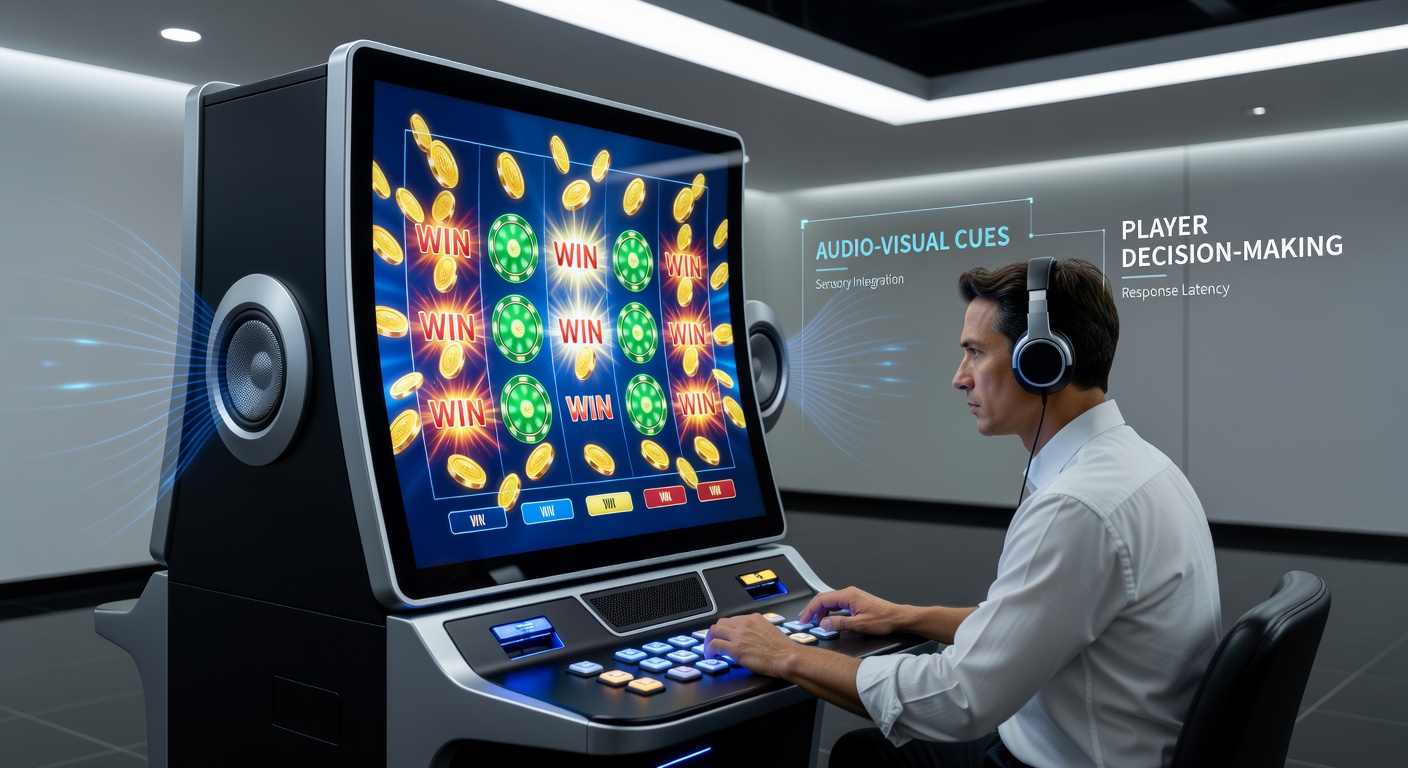
Manufacturers incorporate progressive light trails that move across the cabinet in time with reel spins, and these trails create a perceptual continuity that players often associate with momentum. Data collected from machines in Canadian gaming venues indicate that trails ending precisely on a winning line increase the probability of an immediate repeat spin, whereas trails that stop short coincide with more frequent cash-out selections. The placement of these visual elements follows strict hardware guidelines that differ across markets, and compliance teams verify each configuration during routine audits.
Combined Sensory Effects on Choice Architecture
When audio and visual components activate together, their combined signal strength appears to narrow the range of considered options, according to experiments that isolate single versus dual-modality presentations. Participants in one series of trials placed larger bets more consistently when both celebratory sounds and animated win frames occurred simultaneously, whereas isolated cues produced more variable bet adjustments. Operators use this interaction when configuring floor layouts, grouping machines with matched sensory profiles to maintain steady traffic patterns throughout peak hours.
June 2026 brings updated technical standards in several North American and European markets that require clearer separation between celebratory and ambient audio channels, and these changes aim to give players more distinct feedback during extended sessions. Compliance documentation submitted by manufacturers already incorporates measurements of how these layered cues interact with decision latency recorded at the machine interface.
Observational Data from Real-World Settings
Field researchers have recorded session lengths and bet histories across hundreds of machines, and the resulting datasets reveal consistent patterns between specific cue combinations and the frequency of maximum-bet selections. One analysis of play logs from Australian venues showed that machines featuring rapid light pulses after every credit insertion recorded higher average bets per spin than units with steady illumination. These logs also captured instances where players paused after sequences lacking any auditory confirmation, suggesting that absence of expected cues can interrupt established decision loops.
Trade associations such as the American Gaming Association have compiled summaries of these findings for member operators, and the reports emphasize the need for ongoing monitoring of cue effectiveness as player demographics shift. Training materials developed for floor staff now include guidance on recognizing when sensory feedback appears to accelerate or decelerate play rates at individual terminals.
Conclusion
The documented relationships between audio-visual design elements and player timing decisions rest on measurable data collected across laboratory and operational environments, and continued refinement of these elements follows established technical and regulatory frameworks in multiple jurisdictions. Future updates to machine standards will likely incorporate additional metrics that track how sensory combinations affect session continuity and wager patterns over extended periods.