Tiered Loyalty Programs Reshaping Casino Player Habits
Casey Keller · Jul 9, 2026
Tiered Loyalty Programs Reshaping Casino Player Habits
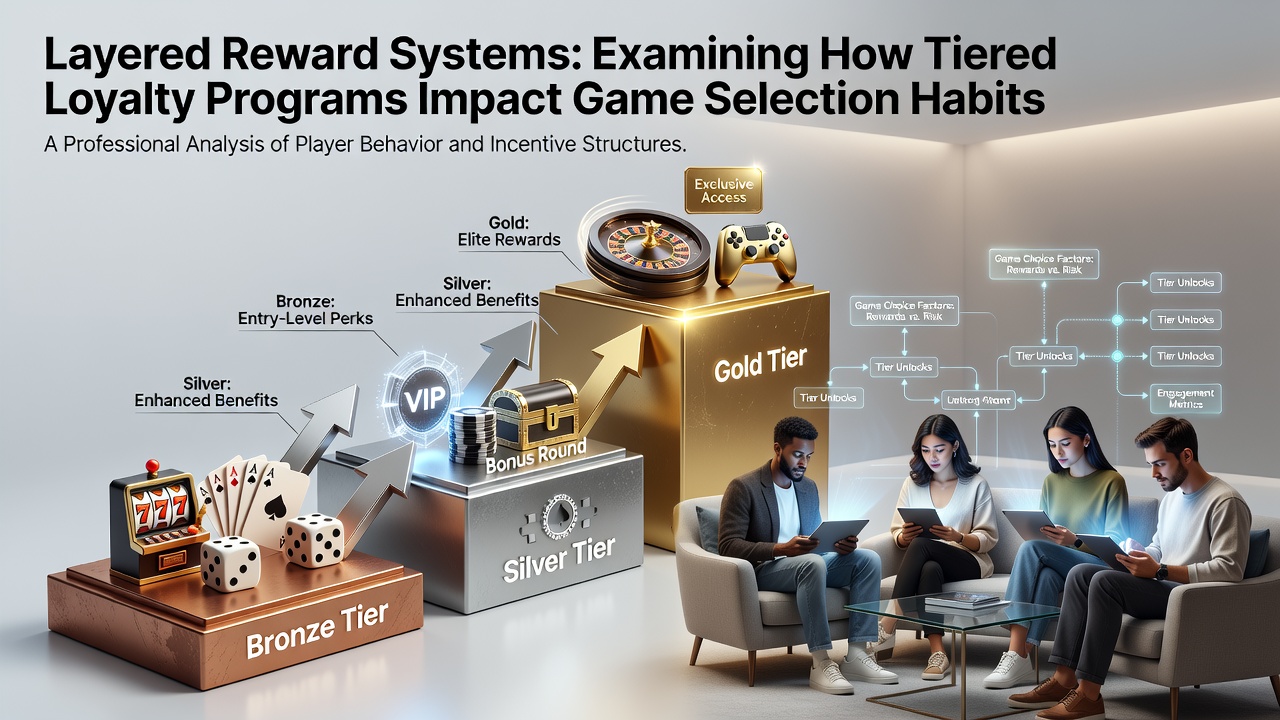
Tiered loyalty programs operate through multiple membership levels that grant escalating benefits based on accumulated play volume, and these structures have altered how participants choose their games in both land-based and digital venues. Players advance from entry-level status to higher tiers by meeting specific wagering thresholds, which in turn unlock access to enhanced point multipliers, exclusive promotions, and personalized offers. Research from the American Gaming Association indicates that participants often gravitate toward titles offering accelerated point accrual once they near a tier threshold, since those selections directly influence qualification speed and reward value.
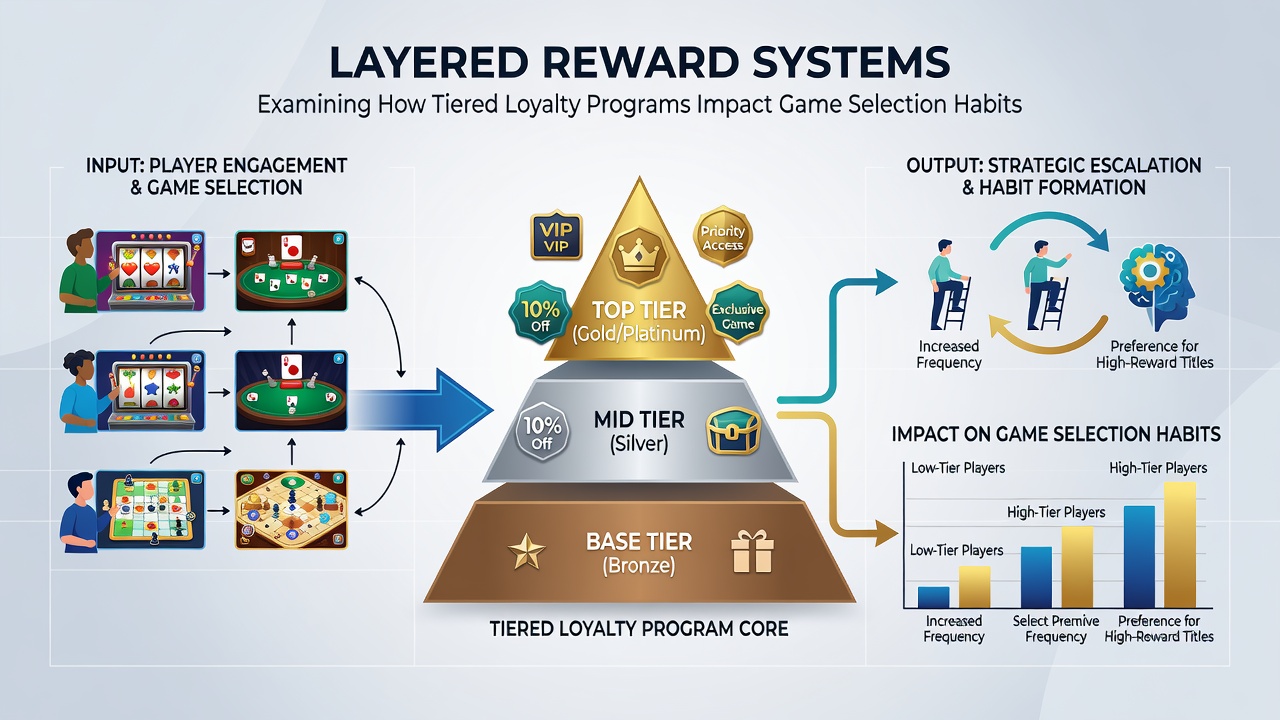
Operators structure these systems around point-earning rates that vary by game category, with slots frequently assigned higher multipliers than table games in many jurisdictions. This design encourages players to balance entertainment preferences against the mathematical advantage of maximizing points per hour. Data collected across North American properties shows that mid-tier members shift approximately 25 percent of their session time toward higher-point machines during promotional periods, while base-level participants maintain more consistent game distributions regardless of earning potential.
Mechanics Behind Tier Progression and Point Allocation
Most programs calculate tier status using a rolling twelve-month window of coin-in or theoretical loss, which means recent activity weighs more heavily than older play. Higher tiers receive benefits such as reduced wagering requirements on bonuses, dedicated account managers, and invitations to events that sometimes include game-specific incentives. Those who study these systems note that the visible progress bar displayed in player portals amplifies the effect, prompting individuals to select games that close the gap to the next level faster.
Point values differ by denomination and volatility, so a participant chasing silver status might favor penny slots with frequent small wins over high-volatility options that deliver larger but less frequent rewards. Industry reports compiled by the Nevada Gaming Control Board reveal that average daily point earnings rise measurably once players enter the second tier, largely because they adjust their game mix to capitalize on multiplier bonuses attached to that level.
Observed Shifts in Game Selection Patterns
Analysis of transaction logs from multiple operators demonstrates clear behavioral changes tied to tier status. Base members sample a broad range of games, yet once they reach gold or platinum levels the proportion of play devoted to point-optimized titles increases. This pattern holds across both physical floors and online platforms, although digital environments allow for real-time notifications that further steer choices during active sessions.
One documented case involved a regional casino chain that introduced a temporary double-point promotion on select video poker variants. Within two weeks, players already in the top two tiers increased their time on those machines by 40 percent compared with the prior month, while lower-tier participants showed only modest movement. Such targeted adjustments illustrate how loyalty mechanics interact with existing preferences rather than overriding them entirely.
Data Trends Through Mid-2026
Figures released in July 2026 by several state gaming agencies highlighted continued growth in tiered program participation, with enrollment numbers rising 12 percent year-over-year in monitored markets. The same datasets indicated that players holding elite status allocated a larger share of their bankroll to games carrying the highest point ratios, particularly during summer promotional windows. These trends emerged consistently whether the venue operated under tribal compacts, commercial licenses, or international regulatory frameworks.
Cross-border comparisons provide additional context. Canadian provincial regulators and Australian state authorities both reported similar tier-driven reallocations, though the magnitude varied with local tax structures and responsible gaming requirements. Academic examinations from institutions such as the University of Nevada, Las Vegas, further confirm that reward visibility influences decision-making more strongly among frequent visitors than among occasional patrons.
Program Variations Across Jurisdictions
Some operators tie tier benefits explicitly to game categories, offering extra multipliers on table games for high-limit players while emphasizing slot volume for mass-market segments. Others maintain uniform earning rates but differentiate rewards through experiential perks that indirectly favor certain formats. Observers note that these design choices reflect each market's player demographics and competitive landscape rather than a universal template.
Integration with cashless systems and mobile apps has accelerated the visibility of tier progress, allowing participants to monitor status in real time and adjust their game selections mid-session. This immediacy appears to intensify the impact on habits, especially when paired with limited-time offers that expire before the next tier evaluation period.
Conclusion
Tiered loyalty programs continue to influence game selection by aligning player advancement with measurable point accumulation across different titles and formats. Available data from regulatory bodies and academic sources shows measurable redistribution of playtime once participants enter higher membership levels, although the extent depends on program structure, promotional timing, and individual engagement frequency. As operators refine these systems through 2026 and beyond, the interplay between reward mechanics and game choice remains a central factor in understanding participant behavior across the sector.